

Are Stick On 3D PVC Patches eco - friendly?
Are Stick On 3D PVC Patches Eco-friendly?
As a supplier of Stick On 3D PVC Patches, I often find myself answering a pivotal question: Are these patches eco-friendly? To delve into this topic, we must explore the materials, production processes, and end - of - life scenarios associated with these patches.
Understanding Stick On 3D PVC Patches
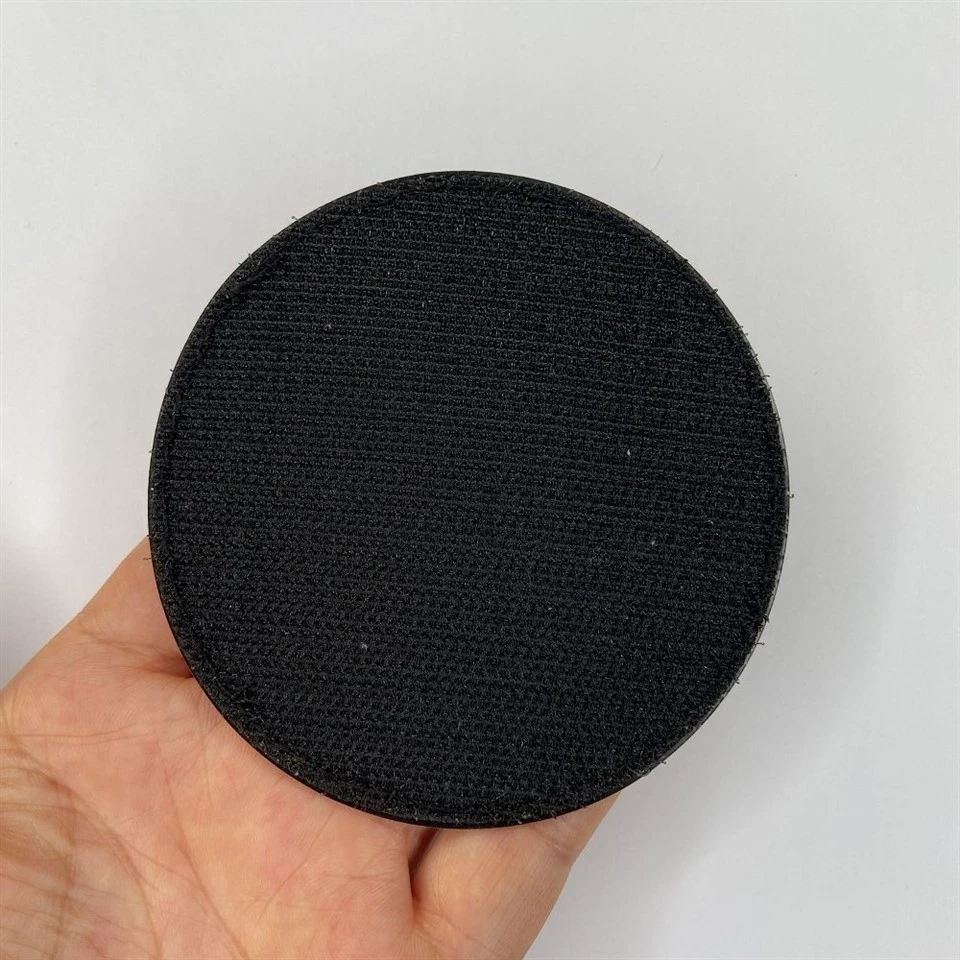
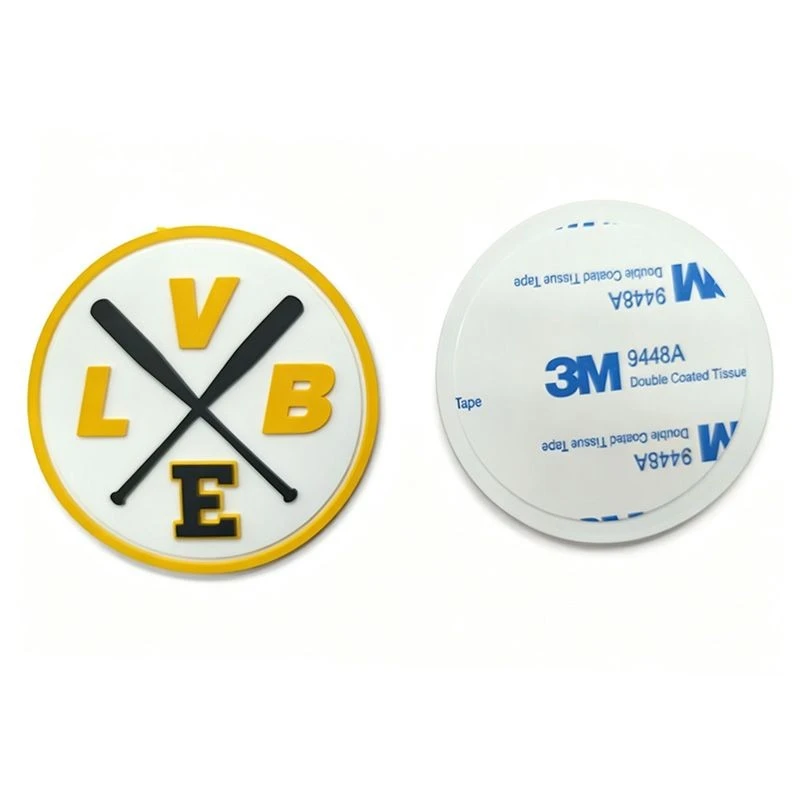
Stick On 3D PVC Patches are a popular accessory known for their eye - catching three - dimensional effects and ease of application. You can learn more about them here. These patches are made from polyvinyl chloride (PVC), a type of plastic that has been a staple in the manufacturing industry for decades. PVC is valued for its durability, flexibility, and affordability, making it an ideal material for creating patches that can withstand various environmental conditions.
The process of making Stick On 3D PVC Patches involves several steps. First, a design is created, which is then transferred onto a PVC sheet. The sheet is heated and molded to give the patch its 3D shape. After that, a sticky backing is added, allowing the patch to be easily affixed to clothing, bags, or other surfaces.
The Environmental Impact of PVC
PVC is a controversial material when it comes to environmental concerns. One of the main issues with PVC is its production process. Chlorine, a key component of PVC, is derived from the electrolysis of brine. This process is energy - intensive and can produce harmful by - products, such as dioxins. Dioxins are highly toxic chemicals that can persist in the environment for long periods, bioaccumulate in the food chain, and cause a range of health problems in humans and wildlife, including cancer, reproductive and developmental disorders.
Another environmental concern is the plasticizers used in PVC. Plasticizers are added to make the PVC more flexible and easier to work with. Phthalates, a common type of plasticizer, have been linked to various health issues, including endocrine disruption. In addition, when PVC products reach the end of their life, they can pose problems. PVC is not easily biodegradable, and when it is incinerated, it can release toxic fumes, including hydrochloric acid and dioxins.
Are Stick On 3D PVC Patches a Sustainable Option?
Despite the environmental drawbacks of PVC, there are some aspects of Stick On 3D PVC Patches that can be considered relatively eco - friendly. First, their durability means that they can last for a long time. If a patch is well - made and properly applied, it can be used for years, reducing the need for frequent replacements. This long lifespan can offset some of the environmental cost associated with their production.
Moreover, compared to other types of patches, such as Sew On 3D PVC Patches, Stick On 3D PVC Patches do not require sewing. This saves energy and time during the application process. Additionally, the sticky backing allows for easy removal and re - application, which means that the patch can be transferred from one item to another, extending its useful life.
However, it is important to note that when it comes to disposal, Stick On 3D PVC Patches still present challenges. While some recycling facilities may accept PVC, the process is often complex and expensive. Many PVC products, including these patches, end up in landfills, where they can take hundreds of years to break down.
Alternatives and Improvements
As a supplier, I am constantly looking for ways to make our Stick On 3D PVC Patches more eco - friendly. One option is to explore alternative materials. For example, some companies are experimenting with bio - based plastics, which are derived from renewable resources such as corn starch or sugarcane. These bio - plastics can have a lower environmental impact compared to traditional PVC.
Another approach is to improve the recycling process for PVC patches. We can work with recycling facilities to develop more efficient ways to collect, sort, and recycle PVC products. By promoting recycling among our customers, we can reduce the amount of PVC waste that ends up in landfills.
In addition, we can look for ways to reduce the use of harmful plasticizers in our patches. There are now some non - phthalate plasticizers available on the market that can provide the same flexibility and durability as traditional phthalates without the associated health risks.
The Future of Stick On 3D PVC Patches and Sustainability
The future of Stick On 3D PVC Patches in terms of sustainability lies in continuous innovation. As consumers become more environmentally conscious, there is a growing demand for eco - friendly products. By investing in research and development, we can find ways to make these patches more sustainable throughout their life cycle.
We also need to educate consumers about the environmental impact of PVC patches and how they can make more sustainable choices. For example, encouraging consumers to recycle their patches or to choose products made from more sustainable materials when possible.
In conclusion, while Stick On 3D PVC Patches have some environmental challenges, there are also opportunities to make them more eco - friendly. As a supplier, I am committed to exploring these opportunities and working towards a more sustainable future.
If you are interested in learning more about our Stick On 3D PVC Patches or have any questions about our commitment to sustainability, please feel free to contact us for a friendly chat and potential purchasing discussions. We look forward to partnering with you!
References
- "The Environmental Impact of PVC Production and Use." Environmental Science & Technology Journal
- "Alternatives to Phthalate Plasticizers in PVC Products." Journal of Sustainable Materials
- "The Future of Plastic: Bio - based Plastics and Their Environmental Impact." Sustainable Development Research Group.