

Do I need to use a walking foot when sewing on a padded applique patch with a sewing machine?
Hey there, fellow sewing enthusiasts! I'm a supplier of sew on padded applique patches, and I often get asked, "Do I need to use a walking foot when sewing on a padded applique patch with a sewing machine?" Well, let's dive right into this topic and find out.
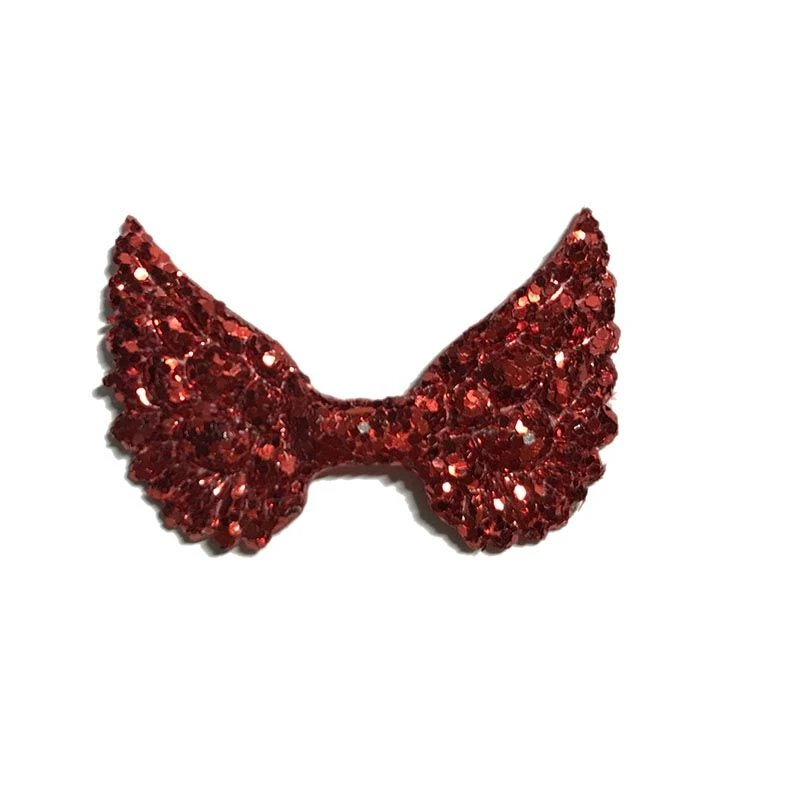
First off, let me give you a bit of background. At our place, we offer a wide range of sew on padded applique patches, like the Glitter Sew On Padded Applique Patch, PU Leather Sew On Padded Applique Patch, and Satin Sew On Padded Applique Patch. These patches are great for adding a touch of style and personality to all sorts of fabric projects, from clothing to home decor.
Now, let's talk about the walking foot. A walking foot, also known as an even-feed foot, is a special sewing machine foot. It has little teeth on the bottom that move in sync with the feed dogs beneath the needle plate. This helps to move layers of fabric evenly through the sewing machine.
When it comes to sewing on a padded applique patch, a walking foot can be a game-changer. Padded appliques are thicker than regular fabric patches because they have that extra stuffing in the middle. This extra thickness can cause problems when sewing. Without a walking foot, the top layer (the patch) and the bottom layer (the fabric you're attaching it to) might not move through the machine at the same speed. This can lead to issues like bunching, puckering, or uneven stitches.
Let's say you're working on a project with a Satin Sew On Padded Applique Patch. Satin is a slippery fabric, and when you combine it with the padding in the applique, it can be really tricky to sew. The walking foot will help grip the layers together and move them smoothly through the machine. This ensures that your stitches are straight and even, and your patch is attached neatly.
Another situation where a walking foot is useful is when you're using a PU Leather Sew On Padded Applique Patch. Leather and leather-like materials can be tough and don't always glide easily through the machine. The walking foot's teeth help to pull the patch and the fabric layer along, preventing any slipping or misalignment.
But here's the thing: you don't always need a walking foot. If you're using a very thin padding in your applique patch and the fabric you're attaching it to is also lightweight and easy to work with, you might be able to get away without one. You can try slow, careful sewing and use pins to hold the layers in place. However, this method requires a lot of patience and skill. You might end up with some uneven stitches or ripples in the fabric.
If you're a beginner, I highly recommend using a walking foot. It takes a lot of the guesswork out of sewing on padded applique patches. You'll save time and frustration, and your projects will look much more professional.
When using a walking foot, make sure to adjust your sewing machine's settings. You may need to use a slightly longer stitch length to accommodate the extra thickness of the padded applique. Also, go slow at first. This gives you more control over the sewing process and helps you catch any potential issues before they become big problems.
Now, let's talk about choosing the right walking foot for your machine. Most sewing machine manufacturers make walking feet that are compatible with their specific models. You can usually find them at your local sewing supply store or online. Make sure to check the specifications to ensure you're getting the right one for your machine.
In addition to using a walking foot, there are a few other things you can do to make sewing on padded applique patches easier. First, use the right thread. A medium-weight thread is usually a good choice. It's strong enough to hold the patch in place but not too thick that it causes problems with the sewing machine.
Second, prepare your fabric and patch properly. Press the applique patch with a warm iron to make sure it's flat. If there are any wrinkles or folds, they can cause issues when sewing. Also, pin the patch in place carefully before you start sewing. This helps keep everything aligned.
If you're using a Glitter Sew On Padded Applique Patch, be extra careful. The glitter can sometimes get caught in the sewing machine needle or foot. You can try using a piece of tissue paper over the patch while sewing to prevent this. After you're done sewing, just peel the tissue paper off.
So, to sum it up, while you don't always need a walking foot when sewing on a padded applique patch, it can make the process a whole lot easier, especially if you're working with thicker materials or if you're new to sewing. It can help you achieve professional-looking results and save you a lot of hassle in the long run.
If you're interested in our sew on padded applique patches, whether it's the shiny Glitter Sew On Padded Applique Patch, the durable PU Leather Sew On Padded Applique Patch, or the elegant Satin Sew On Padded Applique Patch, feel free to reach out for more information or to discuss a potential purchase. We're here to help you take your sewing projects to the next level!
References:

- The Complete Photo Guide to Sewing, Reader's Digest
- Sewing Machine Basics: A Beginner's Guide, various sewing blogs and forums