

Can I sew on a printing patch to a silk fabric?
Can I Sew on a Printing Patch to a Silk Fabric?
When it comes to the world of fashion and textile customization, the question of whether one can sew a printing patch onto silk fabric often arises. As a supplier of sew on printing patches, I'm well - versed in the nuances of this process, and I'm here to explore the possibilities, challenges, and best practices.
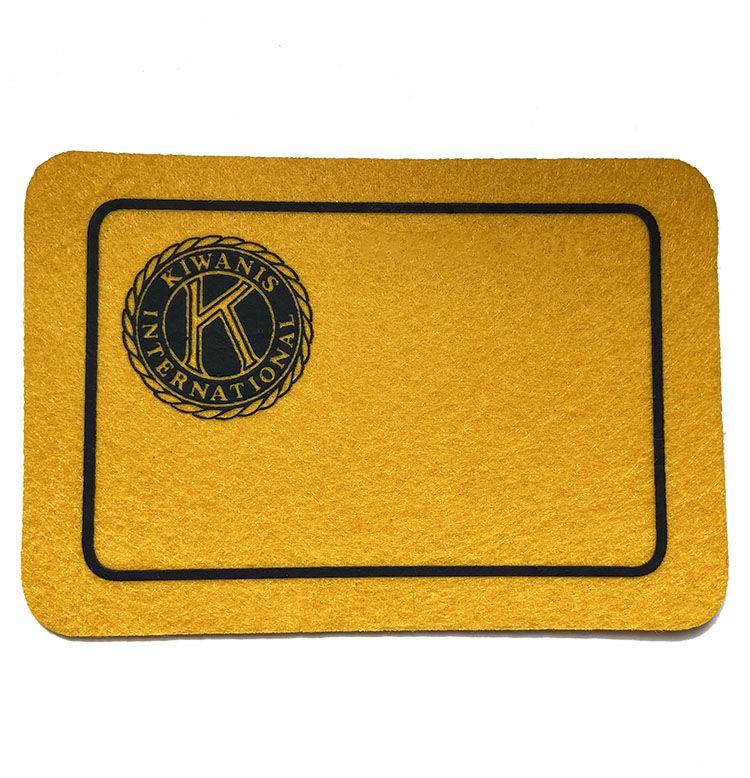
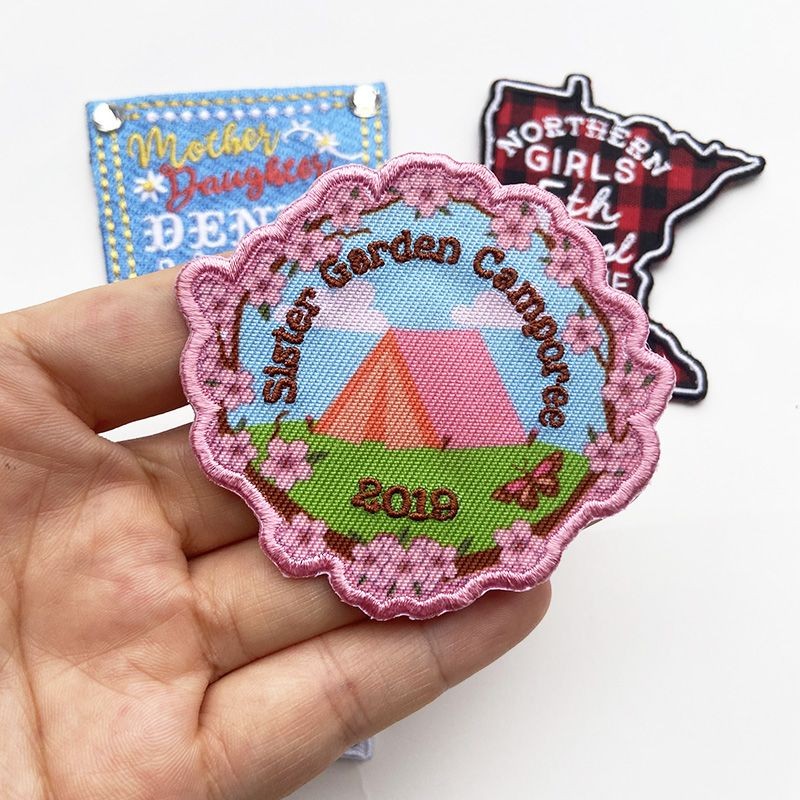
Silk is a luxurious and delicate fabric known for its smooth texture, sheen, and drapability. It's a favorite among designers for creating elegant garments, from evening gowns to fine shirts. On the other hand, sew on printing patches offer a creative way to add personal touches, branding, or decorative elements to clothing and accessories. But combining the two is not as straightforward as it may seem.
The Compatibility of Printing Patches and Silk Fabric
The first thing to consider is the type of printing patch in question. There are several types of sew on printing patches available, each with its own characteristics. For instance, Laser Cut Edge Sew On Printing Patch has a precise and clean edge, which is great for a sharp and professional look. These patches are usually made with a backing that can be sewn onto various fabrics, but silk requires extra care.
The laser - cut edges can be relatively stiff compared to the softness of silk. If not sewn properly, the patch may create an uncomfortable or bulky feel on the silk fabric, detracting from the overall elegance of the garment. However, if the laser - cut patch is small in size and the sewing is done delicately, it can still be a viable option.
Another option is the Sew On Silk Screen Printing Patch. This type of patch uses the silk - screening process to transfer designs onto a fabric backing. Silk screen printing can offer vibrant colors and detailed designs. When it comes to silk fabric, the issue is often about the weight and texture of the patch. If the backing of the silk screen printing patch is too thick or heavy, it can make the silk look and feel uneven. A thinner backing is more suitable for silk, allowing the fabric to maintain its natural drape.
Merrow Border Sew On Printing Patch features a merrowed edge, which gives it a finished and durable look. The merrow border is great for preventing fraying, but it can also add a bit of bulk. On silk, this bulk needs to be managed carefully. For large patches, the merrow border may make the silk look too stiff. However, for smaller, decorative patches, the merrowed edge can add a touch of quality and style.
The Sew On Embroidery Applique Printing Patch combines the beauty of embroidery with the versatility of an applique patch. Embroidery adds a rich and textured look to the patch. When applying such a patch to silk, the thread used in the embroidery needs to be fine and smooth to avoid snagging the silk fibers. Additionally, the overall weight of the embroidery should be considered to ensure that it doesn't weigh down the silk fabric.
The Sewing Process
Assuming you've chosen the right type of patch for your silk fabric, the sewing process is crucial. Silk is prone to damage, so using the right tools and techniques is essential.
First, you'll need a fine - gauge needle. A size 70/10 or 80/12 needle is recommended for sewing on patches to silk. These needles are thin enough to penetrate the silk without causing large holes or snags. You should also use a delicate thread, such as silk thread or a fine cotton thread. The color of the thread should match either the patch or the silk fabric for a seamless look.
Before sewing the patch onto the silk, it's a good idea to make a small test on a scrap piece of the same silk fabric. This allows you to see how the needle and thread interact with the fabric and how the patch looks when sewn on. You can adjust the tension of your sewing machine or the way you hand - sew based on the test results.
When sewing the patch, start from the center and work your way outwards. This helps to prevent the patch from shifting or wrinkling as you sew. Use small, even stitches to ensure a secure bond between the patch and the silk. If you're using a sewing machine, select a straight stitch or a narrow zig - zag stitch. A straight stitch provides a clean and simple look, while a narrow zig - zag stitch can offer a bit more flexibility and prevent the thread from breaking.
Challenges and Solutions
One of the main challenges when sewing a printing patch onto silk is puckering. Puckering occurs when the silk fabric is pulled too tightly during the sewing process. To avoid this, you can use tissue paper as a stabilizer. Place the tissue paper underneath the area where you're sewing the patch. The tissue paper will provide support to the silk, preventing it from puckering. Once you've finished sewing, gently tear away the tissue paper.
Another challenge is the potential for the patch to bleed color onto the silk. This is especially a concern if you're using a patch with bright or bold colors. To prevent color bleeding, you can pre - treat the patch by washing it gently in cold water with a mild detergent. This will rinse away any loose dyes. After washing, let the patch dry completely before sewing it onto the silk.
Quality Assurance
As a sew on printing patch supplier, quality is of utmost importance. We ensure that our patches are made with high - quality materials and printing techniques. Our patches are designed to be durable and to adhere well to various fabrics, including silk. We conduct rigorous quality control checks to ensure that the edges are clean, the colors are vibrant, and the printing is sharp.
Before shipping our patches, we test them on different fabrics to ensure that they can be sewn on successfully. If you're interested in using our patches on silk fabric, we can provide you with samples so that you can test them yourself. This way, you can see the quality and compatibility firsthand before making a larger purchase.
Conclusion
In conclusion, it is possible to sew a printing patch onto a silk fabric, but it requires careful consideration of the type of patch, the sewing process, and potential challenges. With the right patch selection, proper tools, and techniques, you can achieve a beautiful and elegant result.
If you're interested in exploring our range of sew on printing patches for your silk fabric projects or other applications, we'd love to hear from you. Whether you're a fashion designer looking to add a unique touch to your creations or an individual interested in customizing your clothing, our team is ready to assist you. Contact us to discuss your specific needs and start a procurement discussion.
References
- Textile Research Journal, various editions on fabric compatibility and sewing techniques
- Professional costume design and alteration manuals