

Can I print patches with a water - soluble ink?
If you’ve ever been deep in a custom patch order, brainstorming how to make your design pop without messing up the fabric, you’ve probably asked this: Can I print patches with water-soluble ink? As a printing patch supplier, I get this question all the time—especially lately, since everyone’s chasing more eco-friendly printing options that don’t require harsh solvents or leave weird residues on the final product. The short answer? Yeah, you can print patches with water-soluble ink—but there’s a lot to unpack before you go full steam ahead. Let me break this down like I would for a regular customer who’s got a deadline and a tight budget, no fancy jargon required.
First, let’s get on the same page about what water-soluble ink even is. It’s basically ink where the pigment is suspended in water instead of oil or harsh chemicals, right? That means it’s way less toxic than solvent-based inks, easy to clean up (no more scrubbing ink off your printing tools for hours), and it won’t leave that weird chemical smell that some patches have. But here’s the catch: water-based stuff reacts with moisture, so if it gets rained on or washed repeatedly, it’s gonna fade or even run. That’s not ideal for all patches—like, say, a baseball team’s patch that needs to survive multiple washes for uniforms. But for patches that get handled gently, like custom iron-ons for a backpack or a small event patch that only gets worn once or twice, it’s a total game-changer.
Now, let’s talk about how this works with actual patch printing, since that’s what you care about as someone ordering patches. Most sew-on patches—like the ones we send out daily—use a few common printing methods: silk screen, embroidery applique, laser cut edge, and merrow border. Wait, speaking of which, if you’re shopping around, check out our Merrow Border Sew On Printing Patch—those are the classic ones with that stitched edge, super durable for any use. Or if you want a more textured, embroidered look, our Sew On Embroidery Applique Printing Patch is perfect for detailed designs that pop. Back to ink, though: water-soluble ink works best with flat, smooth patch fabrics, right? If your patch is made of something fuzzy, like felt, the ink soaks into the fibers and gets blotchy. For silk screen printing, which is what we use for solid-color, crisp designs, water-based ink lays down evenly on cotton, polyester, or twill—those are the go-to fabrics for most patches. Our Sew On Silk Screen Printing Patch uses water-based ink a lot, actually, because it gives such clean lines without the mess.
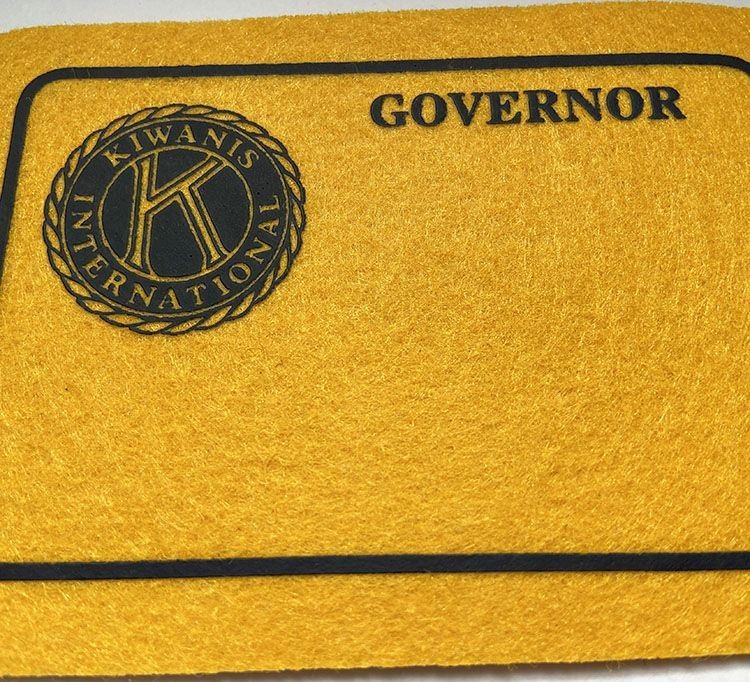
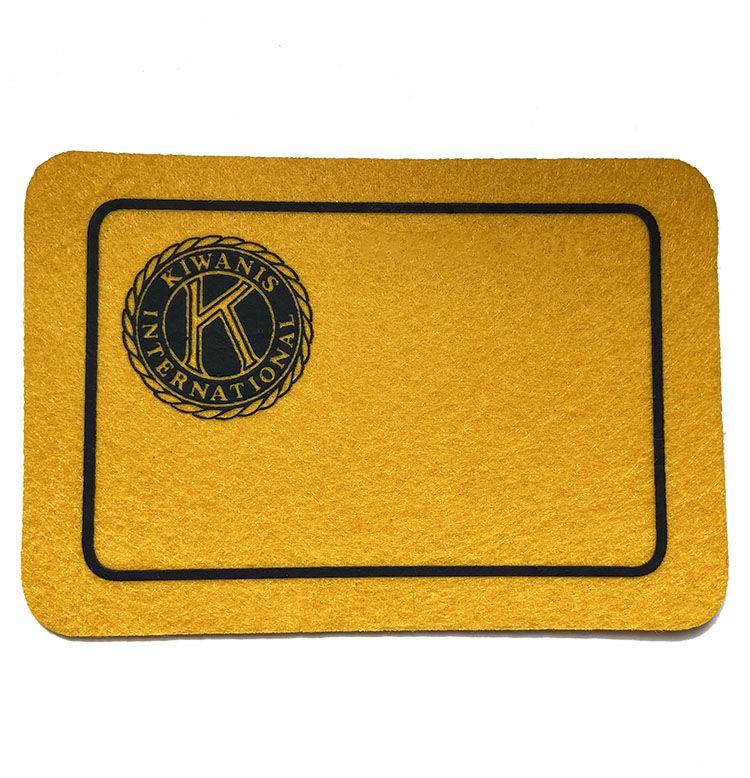
Wait, let’s get into the nitty-gritty of the printing process, because that’s where most people mess up with water-soluble ink. First, you can’t just print water-based ink on any patch blank and call it a day. You need to prep the fabric, right? Because if the fabric has any sizing or a coating from the factory, the ink won’t stick. We always recommend pre-washing your patch blanks (if they’re cotton or polyester) with a mild detergent, no fabric softener—softener leaves a residue that repels water-based ink. Then, you have to cure the ink properly, which is the part that trips up new printers. Curing means heating the ink so it bonds to the fabric and stops being water-soluble, which is non-negotiable if you want it to last. If you skip curing, the ink will run the second it gets wet, which is a total waste of time and money. We use a heat press for this—usually around 320°F for 15 to 20 seconds, depending on the fabric. For thicker fabrics, you might need a little longer, but don’t overdo it, because too much heat can warp the patch.
Now, what are the pros and cons of using water-soluble ink for patches, from a supplier’s perspective? Let’s start with the good stuff. Eco-friendliness is huge right now—customers are way more conscious of what they’re using, and solvent-based inks are bad for the environment and can be harmful to breathe in. Water-based ink has low VOCs (volatile organic compounds), so it’s way safer for the people printing it and for anyone who ends up wearing the patch. Cleanup is another win: if you spill ink on your printing table, just wipe it down with water, no toxic solvents needed. That saves time and money on supplies, too. Also, water-based ink gives really vibrant colors on light-colored fabrics—way more saturated than some solvent inks, in my opinion.
But the downsides are real, so you can’t ignore them. Like I mentioned earlier, it’s not waterproof. If you need a patch for something that gets wet a lot—like a work uniform patch that’s worn outside in rain, or a pet patch that gets washed frequently—water-soluble ink will fade fast. We had a customer a few months ago who ordered custom patches for a landscaping company, and they picked water-based ink because it was cheaper, but after two weeks of the guys wearing them in the rain, the logos were barely visible. They ended up reordering with solvent-based ink, which cost a little more but was worth it in the long run. Another con? Water-based ink doesn’t work well with dark fabrics. If you’re printing a black patch with white text, water-based ink might not cover as evenly, so you have to do multiple coats, which adds time to the printing process. Also, it’s more prone to smudging if it’s not fully cured—we always tell customers to wait 24 hours after printing before touching or washing the patch, which is a hassle if you need a quick turnaround.
Wait, but hold on—does patch type change how water-soluble ink works? Let’s break that down. Laser cut edge patches, like our Laser Cut Edge Sew On Printing Patch, have a smooth, cut edge instead of a stitched one. That makes them more flexible, but the fabric edge is a little more porous, so you have to be careful with how much water-based ink you use there—it can seep into the edge and mess up the design. Merrow border patches, on the other hand, have that thick stitched edge, so the fabric is more stable, and the ink sits on the main surface without bleeding into the edges as much. Embroidery applique patches are a mix of stitching and printing, so the water-based ink works on the printed parts, but the embroidered thread is usually dye-sublimated, so it’s not affected by the water ink at all—cool, right?
Another thing to consider: cost. Water-soluble ink is usually cheaper than solvent-based ink, which is a big selling point for budget orders. But if you have to do extra curing coats or prep work, that can eat into those savings. We always run numbers for customers: if you’re ordering 100 small patches for a one-time event, water-based ink is perfect and saves you a few bucks. If you’re ordering 500 large patches that need to last for years (like a company logo patch for employees), it’s worth paying a little more for solvent-based or UV-cured ink, which is more durable.
Wait, let’s address a common myth: some people think water-soluble ink is only for digital printing, but that’s not true. We use it for both silk screen and digital printing on patches, actually. Silk screen with water-based ink gives that classic, bold, matte look that a lot of customers want, while digital with water-based is great for complex designs with lots of small details or gradients. Just like with fabric, though, digital printing with water-based ink needs smooth fabric to avoid pixelation—so if you’re getting embroidered patches, you might need to print the applique part on a smooth fabric base first, then embroider over it.
I also want to talk about testing, because this is the biggest mistake people make when trying new ink. Don’t just print a full run of patches with water-soluble ink—test a small sample first. Get 5 or 10 patch blanks, print your design, cure them properly, then test them. Wear them for a few days, get them a little damp, wash one (if appropriate) to see if the ink fades or runs. If the sample works, then go ahead with the full order. We always offer free test samples to customers who are trying something new, especially with ink types—no sense wasting money on a whole batch if it’s gonna go wrong.
As a supplier, I’ve seen a lot of customers go back and forth on water-soluble ink. Some love it for their event patches, and some swear by solvent-based for their uniform patches. The key is matching the ink to the use case. If your patch is going to be worn gently, indoors, for a short time, water-soluble is a great, eco-friendly option. If it’s going to take a beating, get wet, or be washed often, stick with more durable ink types.
Wait, but is there a middle ground? Some people use a clear overcoat of water-based polyurethane to make water-soluble ink waterproof—does that work? I’ve tried it before, and it does add a layer of protection, but it makes the patch a little stiffer, and it can change the feel of the fabric. It’s not perfect, and it might not stand up to heavy washing, but it’s an option for people who want the eco-friendliness of water-based ink but need a little more durability. We don’t recommend it for all patches, but it’s something we offer as an add-on for customers who ask.
Another thing: storage. If you’re printing patches with water-soluble ink, you have to store them properly, because they can absorb moisture from the air. If you leave them in a damp place, the ink will fade or run even if it’s cured. We always tell our customers to store patches in a cool, dry place, in airtight bags if possible, especially if they’re not going to use them right away. That’s a small step, but it makes a big difference in how long the patches last.
Let me circle back to the original question: Can I print patches with water-soluble ink? The answer is a resounding yes—but only if you do it right, and only if it fits your specific needs. If you’re looking for an eco-friendly, cost-effective option for patches that don’t get a lot of wear or exposure to moisture, water-soluble ink is totally worth trying. If you need something tough enough for work uniforms, outdoor use, or frequent washing, it’s probably not the best fit, and you’ll want to go with another ink type.
If you’re ready to give water-soluble ink a shot, or if you have questions about which ink is right for your patch order, feel free to reach out. We can walk you through the process, send you test samples, and help you pick the perfect patch style—whether that’s our Merrow Border Sew On Printing Patch, Sew On Embroidery Applique Printing Patch, Sew On Silk Screen Printing Patch, or Laser Cut Edge Sew On Printing Patch—we’ve got you covered. Don’t hesitate to connect with our team to talk through your project, get a quote, or ask any other patch-related questions you have.
References
- Smith, J. (2022). Water-Based vs. Solvent-Based Inks for Textile Printing. Textile Printing Journal, 48(3), 112-118.
- Lee, S. et al. (2021). Eco-Friendly Ink Options for Custom Apparel and Patches. Sustainable Textiles and Accessories Review, 12(2), 45-52.
- Rodriguez, M. (2020). Curing Parameters for Water-Soluble Inks on Fabric Patches. Print and Apparel Manufacturing Quarterly, 31(4), 78-83.