

What materials are used to make Velcro Woven Patches?
As a supplier of Velcro Woven Patch, I often get asked about the materials used to make these nifty patches. So, I thought it'd be cool to break it all down for you in this blog post.
The Basics of Velcro Woven Patches
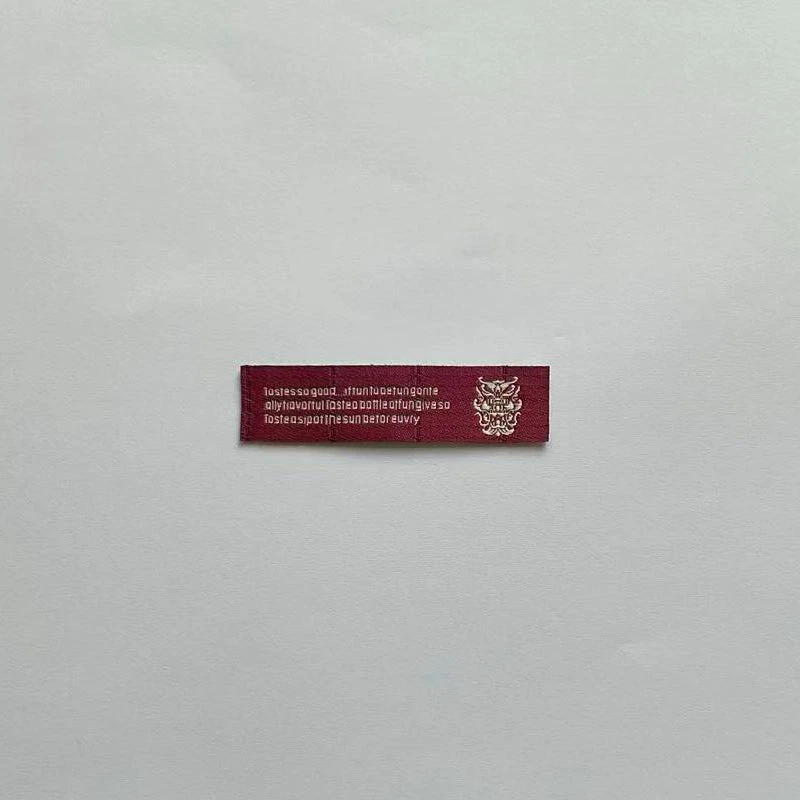
Let's start with a quick refresher. Velcro woven patches are patches that have a Velcro backing, which means they can be easily attached and detached from other Velcro - compatible surfaces. They're super popular for things like uniforms, bags, and even some DIY projects.
Materials for the Woven Part
Threads
The most obvious material for the woven part of the patch is thread. Usually, we use polyester threads. Why polyester? Well, it's got a bunch of great properties. Polyester is durable, which means the patch can withstand a fair bit of wear and tear. Whether it's being washed multiple times or rubbed against rough surfaces, polyester threads won't break down easily.
It also holds color really well. We can create vibrant, long - lasting designs on the patches because the dye bonds tightly with the polyester fibers. This ensures that the logo or pattern on your Velcro Woven Patch stays bright and clear for a long time.
Some of our customers also ask for cotton threads. Cotton gives a softer and more natural look and feel to the patch. It's great for products where a more organic aesthetic is desired, like some handmade or artisanal items. However, cotton isn't as durable as polyester, so it might not be the best choice for high - traffic or rough - use applications.
Weaving Substrate
Underneath the threads, there's a substrate that provides the structure for the patch. Most commonly, we use a lightweight polyester fabric as the substrate. This fabric is strong enough to hold the woven pattern in place but also flexible, so the patch can bend and move without losing its shape.
The choice of substrate is crucial because it affects how the patch as a whole looks and behaves. A high - quality substrate ensures that the patch is smooth on the surface and doesn't have any visible bumps or unevenness.

Materials for the Velcro Backing
Hook and Loop Materials
The Velcro part of the patch consists of two main components: the hook side and the loop side. The hook side is made up of tiny, hard plastic hooks. These hooks are typically injection - molded from a strong plastic, often nylon. Nylon is used because it's tough and can withstand repeated use without the hooks breaking or wearing down.
The loop side, on the other hand, is made of a soft, fuzzy fabric. This fabric is usually also made from nylon or a blend of nylon and polyester. The loops are designed to catch on the hooks when the two sides are pressed together, creating a strong bond.
The quality of the hook and loop materials can vary significantly. Higher - end Velcro has hooks that are more evenly spaced and loops that are stronger and more densely packed. This results in a more secure and long - lasting attachment between the patch and the surface it's being applied to.
Other Materials and Finishing Touches
Adhesives (for Stick - On Patches)
If you're interested in Stick On Woven Patch, adhesives play a big part. We use high - quality industrial adhesives to attach the Velcro backing to the woven patch. These adhesives are designed to be strong enough to hold the patch in place but also flexible enough to allow the patch to bend with the surface it's stuck to.
For the adhesive that's used to attach the patch to other items, we usually go for a pressure - sensitive adhesive. This type of adhesive activates when pressure is applied, making it easy to stick the patch exactly where you want it. And it can be peeled off without leaving much residue if you need to remove the patch later.
Edging Materials
Edging gives the patch a finished look and also helps to prevent fraying. For Merrow Border Woven Patch, we use a merrow edging technique. This involves using a special machine to sew a narrow, tight stitch around the edge of the patch. The thread used for merrow edging is usually polyester, which adds to the durability of the patch.
Why Quality Materials Matter
Using high - quality materials in our Velcro woven patches is not just about making them look good. It's also about making them last. When you invest in a patch, you want it to stay attached, keep its color, and look sharp for a long time.
For example, if we use low - quality thread in the woven part, the colors might fade quickly, or the threads could start to come loose after just a few washes. Similarly, if the Velcro backing is made from subpar materials, the patches might not stick well or could lose their sticking power over time.
Customization and Different Types of Patches
We offer a wide range of customization options for our Velcro woven patches. In addition to the standard designs, we can create 3D Puffy Woven Patch. These patches have a raised, three - dimensional effect, which gives the design a more eye - catching and dynamic look.
For the 3D effect, we use special techniques and additional materials. We might add layers of fabric or foam to the patch to create the puffy look. And then, we carefully weave the threads on top to ensure that the design is still clear and detailed.
If you prefer a more traditional way of attaching the patch, we also have Sew On Woven Patch. These patches can be sewn directly onto clothing or other items using a sewing machine or by hand.
Conclusion and Call to Action
So, there you have it – a breakdown of the materials used to make Velcro woven patches. As a supplier, we're always focused on using the best materials to create high - quality patches that meet your needs.
Whether you need patches for a business uniform, a school project, or just for some fun DIY, we've got you covered. We can work with you to create custom designs, choose the right materials, and ensure that you get the perfect patches.
If you're interested in purchasing Velcro woven patches or want to discuss a custom order, don't hesitate to reach out. We're here to help you bring your ideas to life with our top - notch patches.
References
- Textile Materials Handbook
- Velcro Manufacturing Industry Reports